
A conservative podcast email digest is a regular email that tells you what the right-leaning shows said, which episodes are worth your time, and where to press play. It is not a podcast app and not a general political newsletter. It is a filter. The best ones save you from scrolling through hundreds of episodes, and the best way to use one is to pair it with a single place where the shows themselves live, such as GOPcast.com.
This guide explains what digests are, what they usually contain, how often they arrive, what to check before you subscribe, and how to subscribe, adjust and cancel without hassle.
TL;DR
- A podcast digest sends summaries, episode links and commentary to your inbox so you can decide what to listen to before you spend an hour on it.
- Check four things before subscribing: who selects the shows, whether sources are linked, how your email is handled, and whether unsubscribing is simple.
- Daily, weekly and monthly rhythms all exist. Pick the one that matches how much you actually listen.
- Marketing emails sent to US readers must include an opt-out, and senders have 10 business days to honor it.
- Pair the digest with one listening hub so every link leads to the same place. We built GOPcast for that.
Table of Contents
- What a conservative podcast email digest is
- What a good digest contains
- How often digests arrive, and what that means for you
- Five things to check before you subscribe
- How to subscribe, adjust and cancel
- A simple setup that actually works
- Watch with GOPcast
- Reading a digest critically
- FAQ
- Sources
What a conservative podcast email digest is
Think of a digest as a front page for audio. Someone, or something, listens to or tracks a group of shows, then sends you a short list: the episode, a few lines on what was covered, and a link. You read in five minutes and choose what deserves a full listen.
That makes it different from two things people confuse it with:
- A podcast directory lists shows. It is a catalog you browse when you go looking. A digest comes to you. If you want the catalog side, our conservative podcast directory covers it.
- A general political newsletter reports and comments on news in writing. A podcast digest starts from audio, so the unit of content is the episode and the host’s argument, not a wire story.
The idea is not new. Back in 2017, Columbia Journalism Review described podcast discovery as broken: hundreds of thousands of shows were listed, yet the same 10 to 15 kept getting pitched to listeners, and newsletters had emerged as a short-term fix that delivered new episodes straight to the inbox. The problem has only grown with the number of shows.
Why push beats pull for talk shows
Talk shows are daily or near-daily. Miss a week and you face a backlog nobody wants. A digest turns that backlog into a short list. A conservative news outlet that launched on an email-first platform made this point itself: its editor said the biggest difference from traditional conservative sites was a heavy emphasis on push content in audio and newsletters, with a conversational tone that felt like email from a friend. That combination, audio plus inbox, is what a digest reader is after.
What a good digest contains
Quality varies a lot, so know what you are looking for. A useful digest usually has:
- Episode titles and direct links. One click should take you to the episode, not to a landing page full of other offers.
- A short summary in plain language. Two to four sentences on what the host argued and which guests appeared.
- Clear labels for news, commentary and interviews. You should know whether you are reading a fact summary or a host’s opinion.
- Variety across topics. Politics is the core, but conservative audio also covers health, comedy, activism, investigations and faith.
- Attribution. Every claim traces back to an episode or a linked source.
Shows a digest might cover
The format works for any political audio, from morning-call programs to long interviews. On GOPcast, for example, you can find live and recorded programs such as Bannon’s War Room and The Dan Bongino Show, both of which publish frequently enough that a summary is genuinely helpful. If you follow a particular topic, we also keep guides to conservative radio talk show hosts, state politics podcasts and health policy podcasts, which make good raw material for deciding what you want a digest to track.

How often digests arrive, and what that means for you
There is no standard. Publishers choose a rhythm, and the range is wide:
| Rhythm | Typical shape | Best for |
|---|---|---|
| Daily | A morning or midday roundup of the day’s biggest stories | Heavy listeners who follow news live |
| Several times a week | Short explainers on set days plus a longer interview | People who want depth without daily email |
| Weekly | A Saturday-style “best of the week” | Casual listeners and busy professionals |
| Monthly | A curated recap of themes and standout episodes | Readers who dip in occasionally |
Real publishers illustrate the spread. One conservative-leaning commentator’s newsletter offers several free emails a day, with a fuller weekday edition for paid members. A politics-focused newsletter sends three podcast episodes a week to free subscribers, with two short explainers and one longer interview, and adds deeper pieces for paying subscribers. Another outlet’s approach, per the Nieman Lab report linked above, paired a free Saturday summary with a paywalled morning edition.
How to choose the right frequency
Match the digest to your listening, not your guilt. If you listen to one show a day on a commute, a daily digest will feel like homework. If you want to catch up on a dozen shows on the weekend, weekly is enough. A good rule: start with weekly for a month, then move up only if you find yourself wishing the emails came sooner.
Five things to check before you subscribe
1. Who picks the shows
A digest is only as good as its selection. Look for a published list of the shows it follows, and ask whether the lineup is broad enough to include different corners of the conservative conversation. One publisher in our research posts its full show list and names the sources behind every story so readers can judge for themselves. That kind of transparency is a good sign, whatever the politics.
2. Whether sources are linked
You should be able to reach the original episode from every item. Strong newsletters embed links to primary sources in each article or set of show notes, and some state which ethics code they follow, such as the Society of Professional Journalists Code of Ethics. A digest that summarizes without linking asks you to trust it blindly.
3. How your email address is used
Read the privacy notice before entering your address. Look for what the sender collects, whether it shares or sells lists to sponsors, and whether it uses your clicks to personalize content. If the notice is missing or vague, hold back. Our guide to conservative privacy podcasts is a good place to hear experts talk about protecting personal data.
4. Whether free means free
Many digests are free with an optional paid tier. Check what the free version includes. Some paywall the daily edition and give away only a weekly summary. Know the difference before you commit your inbox.
5. How hard it is to leave
A trustworthy sender makes unsubscribing a single click. We cover the rules below.
How to subscribe, adjust and cancel
Subscribing
- Find the signup box on the publisher’s site, or use the publishing platform’s subscribe button.
- Enter your email and choose a frequency if the form offers one.
- Confirm your address through the verification email. If it does not arrive, check spam or promotions folders.
- Add the sender to your contacts so later editions land in your main inbox.
Changing what you receive
Some services let you choose topics or switch between daily, weekly and monthly editions from a preferences page, usually linked at the bottom of every email. Others offer only one fixed format. If you want control, look for a “manage preferences” link before you subscribe.
Canceling
Every marketing email should have an unsubscribe link, normally in the footer. Under the US CAN-SPAM rules, senders must offer a simple opt-out and honor requests within 10 business days. If you keep receiving emails after that window, mark the sender as spam in your email app and use your provider’s block feature. Paid subscriptions are separate: cancel those through the platform’s billing settings, not just the email link.

A simple setup that actually works
Most people fail with digests because they subscribe to six and read none. Try this instead:
- Pick one digest with a rhythm you can keep.
- Choose one listening hub so you never hunt for episodes across ten apps.
- Set a fixed time for the digest, such as ten minutes with your morning coffee.
- Choose two or three episodes a week to hear in full.
- Review after a month. Drop anything you did not open.
If you also want to find new shows that fit your interests, finding them is its own skill. This guide on how to choose Christian finance podcasts shows the kind of criteria that carry over to any niche: topic fit, host credibility and release cadence.
Our perspective
We built GOPcast because finding reliable conservative voices in a crowded media landscape takes more time than most people have. A digest solves the first half of the problem: it tells you what is out there. The second half is what happens after you click.
If every link in your inbox lands on a different app, a different player and a different ad experience, the habit does not stick. That is why we gather prominent political shows into a single hub, with category browsing across news, commentary, interviews, activism, health, comedy and investigative content. One place to listen, live or recorded, makes any digest more useful.
Our view is simple: the best way to stay informed is to choose your sources on purpose, keep the list short, and make listening effortless. A good summary plus a one-stop hub does exactly that.
GOPcast
Watch with GOPcast
When your digest points you to an episode, you need somewhere reliable to hear it. GOPcast brings top conservative programs into one portal with web streaming, live and recorded, so you can browse by category and move from a summary to a full show in a click. Start at GOPcast.com, or go straight to a show page such as The Mel K Show, free to listen.
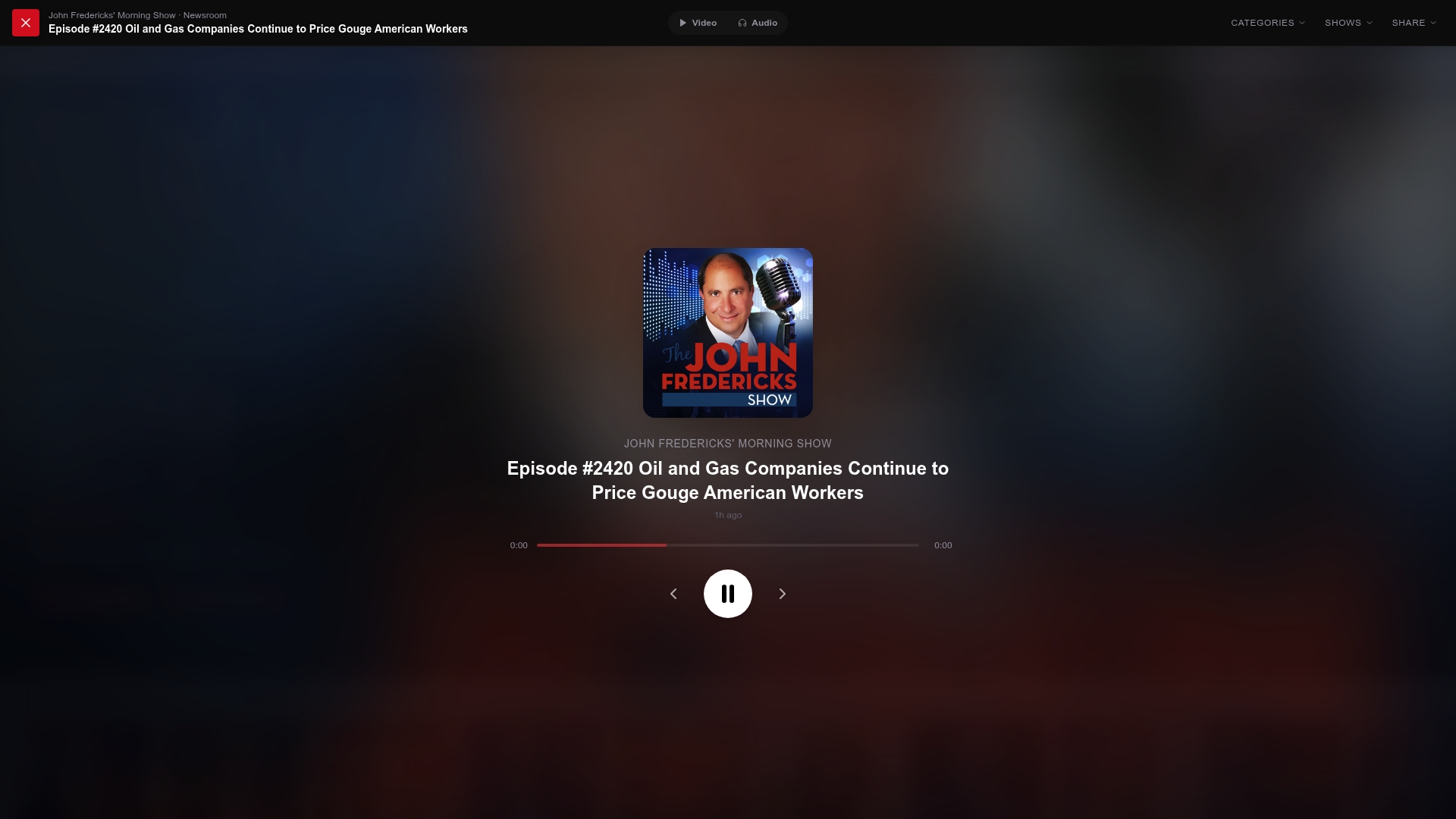
If you are exploring niches, our guides on conservative tech podcasts, entrepreneurship podcasts, energy podcasts, book podcasts and movie podcasts show how to match a show to a specific interest.
Reading a digest critically
A digest compresses. Compression is the point, and it also means something is left out. A few habits keep you well informed:
- Open the episode behind any claim that matters to you. A summary is a pointer, not a substitute.
- Notice tone. Is the sentence a report of what a host said, or the digest’s own opinion?
- Compare lineups over time. If a digest only ever quotes one corner of the conversation, widen your list.
- Watch for sponsor content. Sponsored items should be labeled. If you cannot tell an ad from an item, that is worth knowing.
These habits take seconds and make every digest more valuable.
FAQ
What is a conservative podcast email digest?
It is a recurring email that summarizes new episodes from right-leaning shows, with links to listen. It helps you decide what to hear without scanning every feed. It differs from a directory, which you browse yourself, and from a general newsletter, which starts from written reporting.
How often should a digest arrive?
Choose the rhythm you can keep. Daily suits heavy listeners, weekly suits most people, and monthly suits occasional listeners. Publishers vary widely, from several emails a day to a single weekly recap, so check the signup page before you subscribe.
Are conservative podcast digests free?
Many are free, often with a paid tier that adds extra editions or bonus content. Free versions may include only some emails, so read what each tier offers. On the listening side, shows on GOPcast can be heard without a subscription.
How do I unsubscribe?
Use the unsubscribe link in the footer of any edition. US law requires marketing emails to include a simple opt-out, and senders have 10 business days to honor it. For a paid plan, also cancel in the platform’s billing settings so the charge stops.
Can I choose the topics in my digest?
Sometimes. Some senders offer a preferences page where you can switch frequency or topics, while others send one fixed edition. Look for a manage-preferences link at the bottom of a sample email before you commit.
Sources
- The secret to podcast discovery? Newsletters, Columbia Journalism Review
- Nieman Journalism Lab on newsletters and podcasts first
- Daily email with free and paid tiers, About page
- Podcast newsletter with free weekly episodes and ethics code, About page
- Podcast-based daily newspaper, About page
- CAN-SPAM Act compliance guide
- How to choose Christian finance podcasts