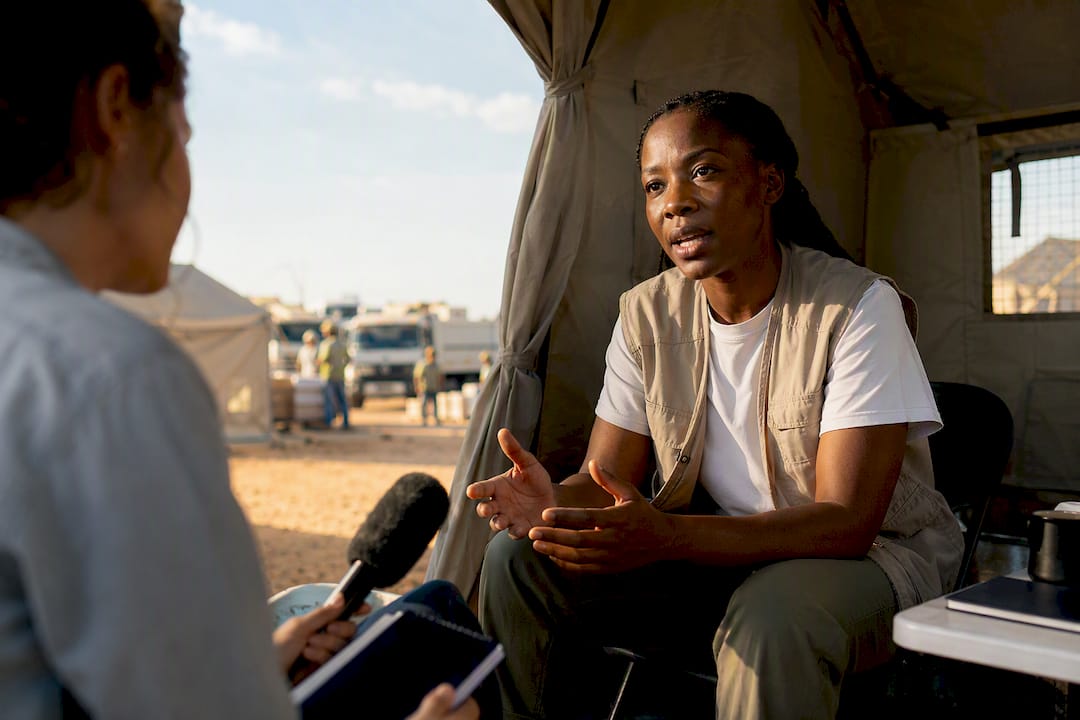
Start with six podcasts that put policy experts and frontline reporters directly in front of a microphone: shows built on named sources, contested episodes, and field reporting rather than talking points. These foreign aid podcasts cover diaspora giving, privatized aid contractors, and the budget fights reshaping global assistance. The rest of this piece breaks down what makes each one worth a subscription, how to judge new episodes on your own, and where to find them.
TL;DR:
- Diaspora remittances often exceed official aid flows and are rarely considered in mainstream budget debates, making them a vital topic for understanding aid dynamics.
- Field reporting on aid logistics and the impact of privatized contractors provides a more accurate picture than policy-only analyses, especially in conflict zones.
- Shows that clearly cite sources, feature named practitioners, and separate reporting from commentary are more reliable for understanding complex aid issues.
- The current debate themes focus on the shift from official aid to diaspora contributions, privatized aid contractors, and the impact of rising budget pressures on aid restructuring.
- Conservative-leaning podcasts like GOPcast offer accessible summaries of aid politics, including Congressional debates and budget fights, supplementing policy-focused shows.
Table of Contents
- Six Foreign Aid Podcasts Worth Subscribing To
- How Do You Pick a Good Foreign Aid Podcast?
- What Big Themes Show Up in Foreign Aid Discussions Right Now?
- What GOPcast Adds to Foreign Aid Podcast Discovery
- Listen Now: Start With These GOPcast Shows
- Sources
- FAQ
Six Foreign Aid Podcasts Worth Subscribing To
Foreign aid coverage splits into two camps: shows built around policy wonks dissecting budget lines, and shows built around reporters who’ve been in the field when a shipment doesn’t arrive. The strongest lineup mixes both, so you’re not stuck hearing only one side of how development money actually moves.
-
Rethinking Humanitarianism (The New Humanitarian). This series is the closest thing to an insider’s notebook on how aid money and aid labor actually function. Its episode on diaspora aid as an overlooked lifeline makes the case that family remittances often do more heavy lifting than government programs, a point most cable news segments skip entirely. It’s best for listeners who want reporting grounded in named field sources rather than press releases.
-
Macro Matters (Bretton Woods Committee). Economist and former World Bank deputy managing director Baroness Minouche Shafik appears on Episode 3 to argue that foreign aid has entered what she calls a “reckoning moment,” squeezed by shrinking budgets and shifting political priorities in donor countries. Anyone trying to understand why aid ministries keep announcing “restructuring” instead of straightforward cuts should start here.
-
In Pursuit of Development. The episode featuring Nilima Gulrajani on aid at the breaking point lays out her argument that the sector’s old social contract with donor publics is broken, and that governments are shifting toward what she calls “smarter development power.” It suits listeners who want a diagnosis of systemic problems, not just a rundown of this month’s headlines.
-
Counterpoint (Foreign Policy). Built entirely on debate format, its episode “Is Western Aid Helping or Harming Africa?” puts Ndidi Nwuneli and Ken Opalo on opposite sides of one of the most contested questions in development economics. This is the pick for listeners who want two smart people arguing instead of one expert narrating.
-
Lawfare Daily. Its episode on an insider’s account of USAID’s dismantling walks through how executive decisions and budget freezes ripple down to field operations, often with a lag that outside commentary misses entirely. Best for listeners who care about the mechanics of policy, not just the politics of it.
-
The World Unpacked (Carnegie Endowment). Its coverage of foreign aid cuts and policy nuance treats budget reductions as a technocratic story about restructuring rather than a simple partisan narrative of elimination. It’s the right choice when you’re tired of headlines that flatten a complicated budget fight into a single talking point.
Between them, these six cover the field reporting, the economics, the debate format, and the insider account. That’s a reasonable starting playlist for anyone serious about understanding foreign aid rather than just having an opinion about it.
How Do You Pick a Good Foreign Aid Podcast?
Not every show billing itself as a “development podcast” or “humanitarian aid discussion” earns your time. A few criteria separate the shows worth a subscription from the ones worth skipping.
- Guest expertise. Look for named practitioners, economists, or field staff, not anonymous “experts” or hosts riffing without sourcing.
- Sourcing and transparency. Good shows link their sources, cite specific reports, and name the organizations behind a claim.
- Balance of reporting and commentary. Field reporting adds facts; commentary adds interpretation. The best shows clearly separate the two instead of blending them into vague analysis.
- Episode depth. A 15-minute news roundup rarely has room to explain why a budget line changed; a 45 minute interview usually does.
- Publishing frequency. Shows that release consistently tend to track fast-moving stories, like the USAID restructuring, better than shows that post sporadically.
Watch for a few red flags too: sponsorship that isn’t disclosed, hosts who repeat factual errors episode after episode without correction, and any show that never names a source beyond “reports suggest.” NGO podcast episodes that lean entirely on press releases from the NGO itself deserve extra skepticism.
Pro Tip: Pull up the show notes or transcript before you trust a specific claim. Most serious foreign policy podcasts link their underlying reports directly in the episode description, and a five-minute check against the source takes less time than a bad argument at dinner.

What Big Themes Show Up in Foreign Aid Discussions Right Now?
Three debates dominate current foreign aid discussions, and knowing them helps you pick episodes that actually add something new instead of repeating last month’s news cycle.
- Diaspora aid versus official flows. Family remittances sent by diaspora communities routinely outpace official government aid, a fact most budget debates ignore entirely.
- Privatized and militarized aid. The New Humanitarian’s reporting on aid-for-hire contractors tracks how private firms and security contractors are increasingly running logistics in conflict zones once handled by traditional NGOs.
- Budget pressure and restructuring. Shafik’s “reckoning moment” framing and Gulrajani’s “broken social contract” argument both point to the same underlying shift: donor governments cutting or reshaping aid budgets faster than institutions can adjust.
Remittances outpace official aid. Diaspora communities send hundreds of billions of dollars home each year, and that flow often exceeds total official development assistance from wealthy governments combined.
Each theme has a natural entry point in the six shows above. If you only have time for one episode this week, the diaspora aid discussion or the Counterpoint debate on Western aid in Africa will tell you more about where the field is headed than a week of cable news segments.
What GOPcast Adds to Foreign Aid Podcast Discovery
Foreign aid gets covered from a lot of ideological angles, and finding conservative-leaning commentary on it usually means hunting across a dozen apps. GOPcast solves that by aggregating shows like Bannon’s War Room and The Dan Bongino Show into one hub, alongside a dedicated Newsroom Podcasts category for topical episodes on policy and global affairs. That single portal, plus topical tags for quick browsing, means you’re not juggling five apps to track how right-leaning hosts frame aid spending, USAID restructuring, or budget fights in Congress.
— GOPcast
Listen Now: Start With These GOPcast Shows
If you want political framing on foreign aid alongside the policy shows above, a few GOPcast programs are worth adding to your queue. Ringside Politics regularly works through the politics behind government spending decisions, including foreign aid debates in Congress. The Brian Kilmeade Show brings a mainstream conservative lens to breaking news on federal budgets and international policy, useful when you want a familiar host’s take on a fast-moving story.

Both shows are free to stream directly on GOPcast, and you can browse the broader Newsroom Podcasts category to catch related episodes as new budget fights or policy shifts break. For a wider mix of political commentary that occasionally touches on oversight and foreign policy, check out the Trey Gowdy Podcast as well. Head to Ringside Politics on GOPcast to start listening and follow new episodes as they post.
Sources
- Rethinking Humanitarianism | Diaspora aid: the lifeline we don’t talk about enough
- Macro Matters Episode 3 – Foreign Aid’s Future: Crisis, Course Correction, or Comeback?
- Rethinking Humanitarianism | Will aid-for-hire become the new normal?
- Is Western Aid Helping or Harming Africa? — Counterpoint
FAQ
What Are the Best Foreign Aid Podcasts to Start With?
Rethinking Humanitarianism, Macro Matters, In Pursuit of Development, Counterpoint, Lawfare Daily, and The World Unpacked cover field reporting, economics, debate, and policy mechanics. Together they give a rounded view of how foreign aid is currently being restructured rather than simply cut.
How Do I Know if a Development Podcast Is Reliable?
Check whether the host names specific sources, links reports in the show notes, and features practitioners rather than only pundits. Shows that clearly separate reporting from commentary, like the episodes cited above, tend to hold up better under scrutiny.
Why Do Diaspora Remittances Matter for Foreign Aid Debates?
Diaspora remittances often exceed official government aid flows in total dollar volume, yet they rarely show up in mainstream budget debates. Podcasts that cover diaspora giving fill a real gap most donor-focused coverage leaves out.
Where Can I Find Conservative Takes on Foreign Aid Policy?
GOPcast aggregates conservative political shows, including a dedicated Newsroom Podcasts category, where hosts regularly discuss foreign aid budgets and oversight fights. Shows like Ringside Politics and the Brian Kilmeade Show are a good starting point for that framing.
Are Debate Format Shows Better Than Interview Shows for Foreign Aid Topics?
Neither format is inherently better. Debate shows like Counterpoint are strong for contested policy questions with genuine disagreement, while interview shows work better for deep dives into a single expert’s research or field experience.